G36

The G36: A Reliable Force in Modern Warfare

The G36: A Reliable Force in Modern Warfare

The G36 is a lightweight, air-cooled, gas-operated assault rifle designed and manufactured by Heckler & Koch, a leading name in firearm innovation. First introduced in the 1990s, the G36 has become a predominant choice for military forces and law enforcement agencies around the globe, prized for its versatility and reliability.

Design and Features

The G36 features a modular design that allows for the attachment of various accessories, enhancing its adaptability for different operational requirements. Chambered in 5.56x45mm NATO, the rifle is known for its accuracy, ease of handling, and effective range of approximately 400 meters. The incorporation of a transparent polymer magazine allows users to monitor ammunition levels effectively, ensuring readiness in combat situations.

Performance in Action

The G36 has proven its worth in various military conflicts, including operations in Afghanistan and Iraq. Its reliability in harsh environments is complemented by its ability to perform well in both semi-automatic and fully automatic modes. These features contribute to its effectiveness in various combat scenarios, making it a trusted companion for soldiers worldwide.

Continuing Evolution

Over the years, the G36 has undergone numerous upgrades and modifications to enhance its performance and adaptability. Whether integrated into special operations units or standard military regiments, the G36 continues to evolve to meet contemporary warfare demands.

Conclusion
In conclusion, the G36 stands out as a symbol of reliable German engineering and robust military capability. Its blend of versatility, performance, and adaptability ensures that it remains a valuable asset for armed forces around the world, embodying the spirit of modern warfare technology.

G36

HK416

The HK416: A Modern Marvel in Firearms

The HK416: A Modern Marvel in Firearms

The HK416 is a revolutionary assault rifle designed by the renowned German manufacturer Heckler & Koch. Recognized for its reliability and adaptability, the HK416 has gained popularity among military and law enforcement agencies around the world, serving as a modern solution for various combat scenarios.

Innovative Design and Functionality

The HK416 features a gas-operated, short-stroke piston system that provides several advantages over traditional direct impingement systems. This mechanism reduces heat and fouling in the receiver, enhancing reliability in adverse conditions. The rifle is designed to be modular, allowing operators to easily customize it with various attachments, including optics, grips, and fore-ends, to suit specific mission requirements.

Exceptional Firepower

Chambered in 5.56x45mm NATO, the HK416 offers impressive firepower and accuracy. It can be configured to fire in semi-automatic or fully automatic modes, giving users flexibility in how they engage targets. The rifle's quality engineering ensures consistent performance, whether in close-quarters combat or longer-range engagements.

Proven Operational History

The HK416 has been extensively tested and proven in various combat situations, most notably during the U.S. Navy SEAL operation that captured Osama bin Laden. This operational pedigree has solidified the rifle's status as one of the most trusted firearms among elite forces. With its track record of reliability and effectiveness, the HK416 continues to be a preferred choice for military professionals globally.

Conclusion
In conclusion, the HK416 represents the pinnacle of modern firearm design and functionality. Its innovative features, exceptional performance, and adaptability make it a vital tool for military and law enforcement personnel. As the demands of warfare evolve, the HK416 stands ready to meet the challenges of contemporary combat and beyond.

HK416

FN SCAR

The FN SCAR: A Versatile Gem in Modern Firearms

The FN SCAR: A Versatile Gem in Modern Firearms

The FN SCAR (Special Operations Forces Combat Assault Rifle) is a modern operational rifle developed by FN Herstal for the U.S. Special Operations Command. Known for its adaptability, modular design, and exceptional performance, the FN SCAR has become a favorite among military and law enforcement agencies worldwide.

Modular and Configurable Design

One of the standout features of the SCAR is its modularity. Available in two primary variants, the SCAR-L (light) and SCAR-H (heavy), it can be configured to meet various operational needs. The rifle’s interchangeable components allow users to switch between calibers easily, enabling quick adaptations for different mission requirements.

Impressive Firepower

The SCAR-L is chambered in 5.56x45mm NATO, while the SCAR-H utilizes the larger 7.62x51mm NATO cartridge. This dual capability allows operators to choose the caliber that best suits their tactical situation. The rifle's short-stroke gas piston system significantly reduces recoil and enhances accuracy, making it effective in both semi-automatic and automatic fire modes.

Durability and Reliability

Engineered for the most challenging environments, the FN SCAR is built with high-quality materials that withstand extreme conditions. The rifle's design ensures operational reliability in harsh climates, making it a trusted companion for soldiers in various theaters of conflict.

Conclusion
In conclusion, the FN SCAR is an impressive example of modern firearm technology, blending versatility, firepower, and durability into a single platform. As military operations continue to evolve, the SCAR's modular design and performance capabilities solidify its position as a leading choice for professional operators around the globe, ensuring it remains relevant in the future of combat arms.

FN SCAR

AK-74M

The AK-74M: A Modern Icon of Russian Firepower

The AK-74M: A Modern Icon of Russian Firepower

The AK-74M is a derivative of the legendary AK-47 series, representing a significant evolution in Russian firearms technology. Developed in the early 1970s and officially adopted in 1991, the AK-74M has become the standard-issue assault rifle for the Russian Armed Forces, renowned for its reliability, simplicity, and effectiveness in combat.

Design and Features

Chambered in 5.45x39mm, the AK-74M features a lighter recoil compared to its predecessor, which enhances its accuracy and allows for precise automatic fire. This rifle is constructed with a combination of lightweight materials and robust components, ensuring durability in various environments. The integrated scope rail permits easy attachment of optics and accessories, further increasing versatility in tactical scenarios.

Operational Performance

The AK-74M excels in diverse combat situations, from urban warfare to open-field operations. It boasts an effective range of up to 500 meters, making it suitable for engaging threats both near and far. The rifle's design allows for ease of use, even in harsh conditions, and its reputation for reliability has made it a favorite among soldiers for decades.

Modern Adaptations

In response to contemporary battlefield demands, the AK-74M has undergone various upgrades over the years, including enhancements to fire control systems and ergonomic features. These adaptations ensure that the AK-74M remains relevant amidst advances in military technology and evolving combat tactics.

Conclusion
In conclusion, the AK-74M is not just a firearm; it is a symbol of Russian military capability and resilience. With its combination of superior design, reliable performance, and adaptability, the AK-74M continues to stand as a mainstay in the arsenals of modern armed forces, proving that the legacy of the AK series endures in the realm of small arms.

AK-74M

M4 Carbine

The M4 Carbine: A Versatile Weapon of Modern Warfare

The M4 Carbine: A Versatile Weapon of Modern Warfare

The M4 carbine is a gas-operated, air-cooled carbine that has become one of the most widely used firearms in modern military operations. Known for its versatility and reliability, the M4 serves as the standard-issue firearm for the United States Army and has gained popularity among military forces and law enforcement agencies worldwide.

Design and Features

The M4 is a lightweight, magazine-fed weapon that typically fires the 5.56x45mm NATO cartridge. Its modular design allows for easy customization, accommodating a wide range of accessories such as scopes, foregrips, and suppressors. The adjustable stock enhances user comfort and adaptability in various combat environments. With a cyclic rate of fire of approximately 700 to 950 rounds per minute, the M4 provides both semi-automatic and fully automatic firing modes, making it suitable for different tactical situations.

Operational Performance

The M4's compact size and maneuverability make it an ideal weapon for urban warfare and close-quarters combat. Its reliability has been proven in numerous conflicts, from Iraq to Afghanistan, where soldiers depend on the weapon's performance under challenging conditions. The carbine's effectiveness with different types of ammunition allows soldiers to engage a variety of targets, from personnel to vehicles, enhancing its overall utility on the battlefield.

Modern Upgrades

In response to evolving battlefield requirements, the M4 has undergone several upgrades, resulting in the M4A1 variant that enhances durability and performance. Features such as improved barrel design and a stronger bolt carrier group extend the lifespan of the weapon while enhancing accuracy and function.

Conclusion
In conclusion, the M4 carbine remains a cornerstone of modern military equipment. Its combination of versatility, performance, and adaptability to various combat scenarios ensures that it will continue to serve as a reliable tool for armed forces long into the future. As military technology evolves, the M4 will likely adapt, maintaining its status as a preferred choice among soldiers around the globe.

M4 Carbine

Small Arms & Anti-Tank Weapons

Small Arms & Anti-Tank Weapons: Essentials of Modern Warfare

Small Arms & Anti-Tank Weapons: Essentials of Modern Warfare

Small arms and anti-tank weapons play a crucial role in modern military operations, providing soldiers with the necessary tools to engage a variety of threats effectively. From infantry engagements to armored warfare, these weapons are essential for maintaining tactical superiority on the battlefield.

Understanding Small Arms

Small arms include a wide range of personal firearms, such as rifles, pistols, submachine guns, and shotguns. These weapons are typically lightweight and portable, allowing individual soldiers to carry them easily. Modern small arms often incorporate advanced technologies such as ergonomic designs, improved optics, and modular systems that enhance their lethality and adaptability in various combat situations.

The Role of Anti-Tank Weapons

Anti-tank weapons are specifically designed to defeat armored vehicles and can include shoulder-fired missiles, rocket-propelled grenades (RPGs), and guided missiles. Systems such as the Javelin and the AT4 provide infantry units with the capability to engage and destroy enemy tanks from significant distances. The effectiveness of these weapons has proven vital in contemporary conflicts where armored forces are a significant threat.

Importance in Modern Conflicts

In today's asymmetrical warfare environments, the combination of small arms and anti-tank weapons empowers infantry troops to respond effectively to emerging threats. This versatility allows forces to adapt to diverse combat scenarios, from urban warfare to open field engagements. Consequently, investing in advanced small arms and anti-tank technologies enhances a military's operational effectiveness and readiness.

Conclusion
In conclusion, small arms and anti-tank weapons are fundamental to the effectiveness of modern armed forces. Their continued evolution and integration of advanced technology ensure that soldiers remain equipped to handle the challenges of contemporary warfare, safeguarding their missions and enhancing combat effectiveness on the battlefield.

Small Arms & Anti-Tank Weapons

USS Midway (CV-41)

The USS Midway (CV-41): A Historic Aircraft Carrier

The USS Midway (CV-41): A Historic Aircraft Carrier

The USS Midway (CV-41) stands as a monumental symbol of naval aviation, serving as one of the longest-serving aircraft carriers in the history of the United States Navy. Commissioned in 1945 and decommissioned in 1992, the Midway played a critical role during pivotal conflicts and evolved alongside the changing dynamics of naval warfare.

A Legacy of Service

Throughout its illustrious career, the USS Midway participated in several significant military operations, including the Vietnam War and the Gulf War. It was central to various missions, showcasing its versatility and capability as a formidable floating airbase. The Midway was designed to support a diverse range of aircraft, including fighters, bombers, and helicopters, making it a crucial asset for power projection.

Innovative Design

The Midway was notable for its size and advancements in technology during its time. With a full load displacement of over 45,000 tons, at the time of its commissioning, it was the largest warship in the world. The ship's flight deck and hangar spaces were meticulously designed to maximize operational efficiency, allowing for rapid launches and landings of aircraft.

Retirement and Legacy

After years of dedicated service, the USS Midway was decommissioned in 1992 and has since been transformed into a museum in San Diego, California. The Midway Museum offers a glimpse into naval aviation history, allowing visitors to explore the ship and learn about its storied past, making it a popular destination for both military enthusiasts and families alike.

Conclusion
In conclusion, the USS Midway (CV-41) is more than just an aircraft carrier; it is a representation of American naval history and ingenuity. Its contributions to military operations and its legacy as a museum continue to inspire future generations, ensuring that the spirit of the Midway lives on.

USS Midway (CV-41)

USS Enterprise (CVN-65)

The USS Enterprise (CVN-65): A Legacy of Naval Aviation

The USS Enterprise (CVN-65): A Legacy of Naval Aviation

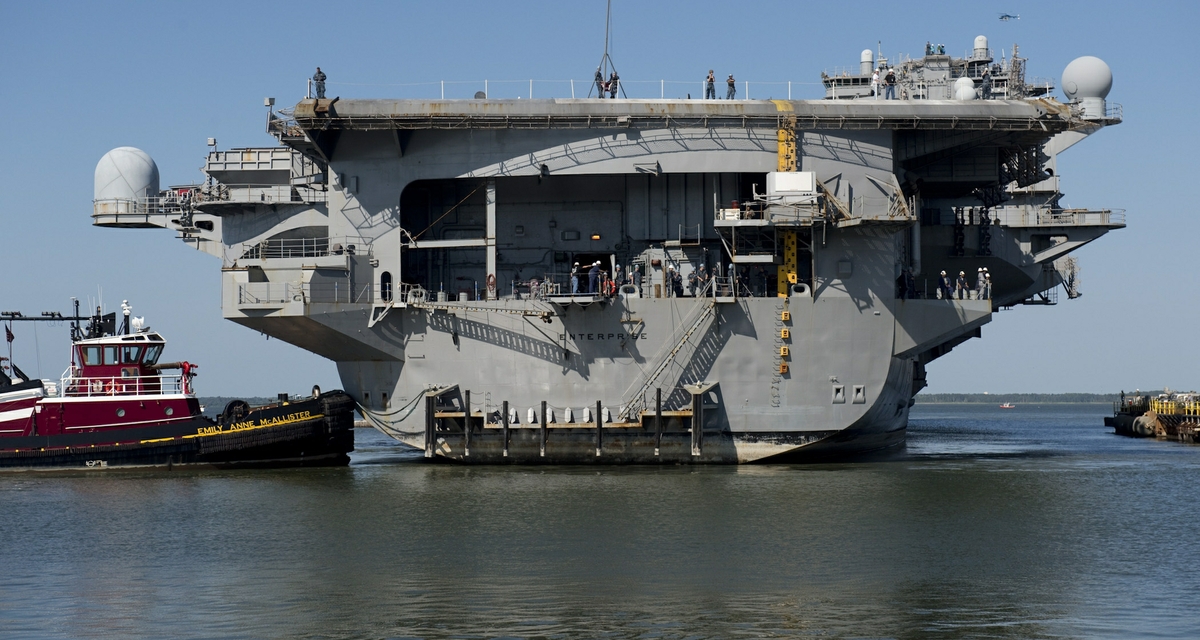
The USS Enterprise (CVN-65) holds a distinguished place in the annals of naval history as the world’s first nuclear-powered aircraft carrier. Commissioned in 1961, the Enterprise served as a symbol of American maritime prowess and technological advancement for over five decades.

Transformative Design and Capabilities

The USS Enterprise was designed to operate fighter jets, reconnaissance aircraft, and support helicopters, all launched and recovered via its impressive flight deck. With a displacement of over 93,000 tons, the Enterprise could carry more than 60 aircraft, making it a floating airbase capable of projecting power across vast oceans.

Operational History

Throughout its service, the USS Enterprise participated in numerous major conflicts and crises, including the Vietnam War and Operation Desert Storm. Its ability to support air operations and conduct strikes from a distance reinforced the U.S. Navy’s strategy of carrier strike groups as vital tools of national defense and global power projection.

Technological Innovations

The introduction of nuclear propulsion marked a milestone in naval engineering. The Enterprise could operate for prolonged periods without refueling, significantly extending its operational range and reducing logistical constraints. Its advanced technology laid the groundwork for future carrier designs, influencing the development of subsequent nuclear-powered vessels.

Conclusion
In conclusion, the USS Enterprise (CVN-65) not only represents a significant technological milestone in naval history but also embodies the spirit of naval aviation and military innovation. Decommissioned in 2012, the Enterprise leaves behind a legacy of excellence and a profound impact on the capabilities of the United States Navy, shaping the future of carrier operations worldwide.

USS Enterprise (CVN-65)

Akula-class Submarine

The Akula-class Submarine: A Stealthy Predator of the Seas

The Akula-class Submarine: A Stealthy Predator of the Seas

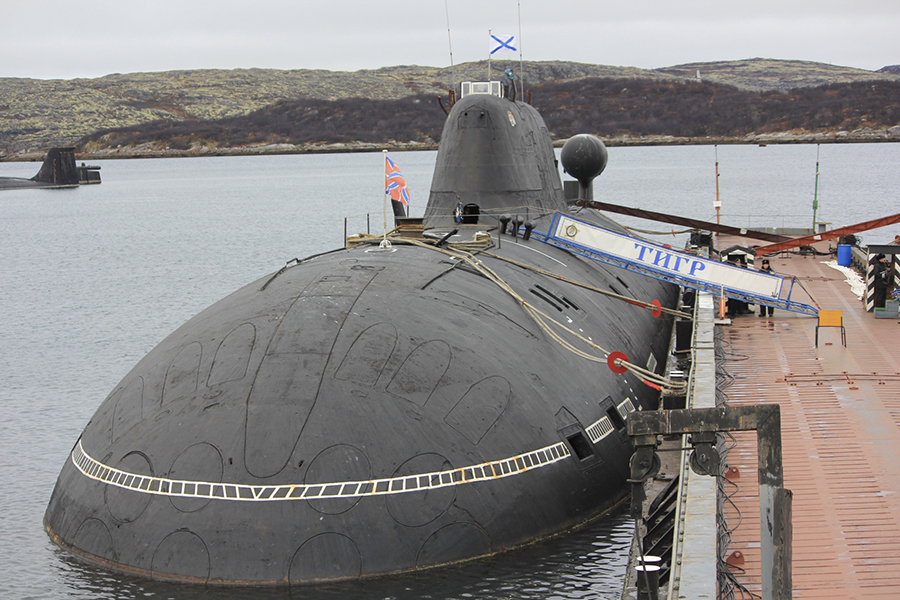
The Akula-class submarine, known as Project 971, is one of the most advanced and formidable submarine classes in the Russian Navy. Developed during the Cold War, the Akula-class represents a significant leap in undersea warfare technology, combining stealth, firepower, and acoustic capabilities.

Impressive Armament

At the core of the Akula-class's power is its ability to carry a wide array of weapons, including cruise missiles, torpedoes, and mines. Capable of launching P-800 Oniks anti-ship missiles and other advanced armaments, the Akula-class is designed to engage surface vessels and submarines effectively. Its versatility in weaponry makes it a vital strategic asset in naval operations.

Advanced Stealth Technology

Stealth capabilities are a hallmark of the Akula-class. Its hull design and advanced noise reduction technologies significantly decrease its acoustic signature, enabling it to evade detection by enemy sonar systems. The submarine’s ability to operate quietly is crucial for successful reconnaissance and striking missions, allowing it to navigate contested waters undetected.

Extended Range and Endurance

Powered by a nuclear reactor, the Akula-class submarine boasts remarkable endurance and range, enabling it to operate submerged for extended periods without the need for refueling. This capability allows for effective long-range patrols and the ability to remain on station in strategic maritime areas when needed.

Conclusion
In conclusion, the Akula-class submarine is a testament to Russia's prowess in submarine technology and naval warfare. With its formidable armament, advanced stealth features, and impressive endurance, the Akula-class remains a critical component of Russia’s naval force and an influential player in the dynamics of global maritime security.

Akula-class Submarine

Borei-class Submarine

The Borei-class Submarine: A New Era in Russian Naval Power

The Borei-class Submarine: A New Era in Russian Naval Power

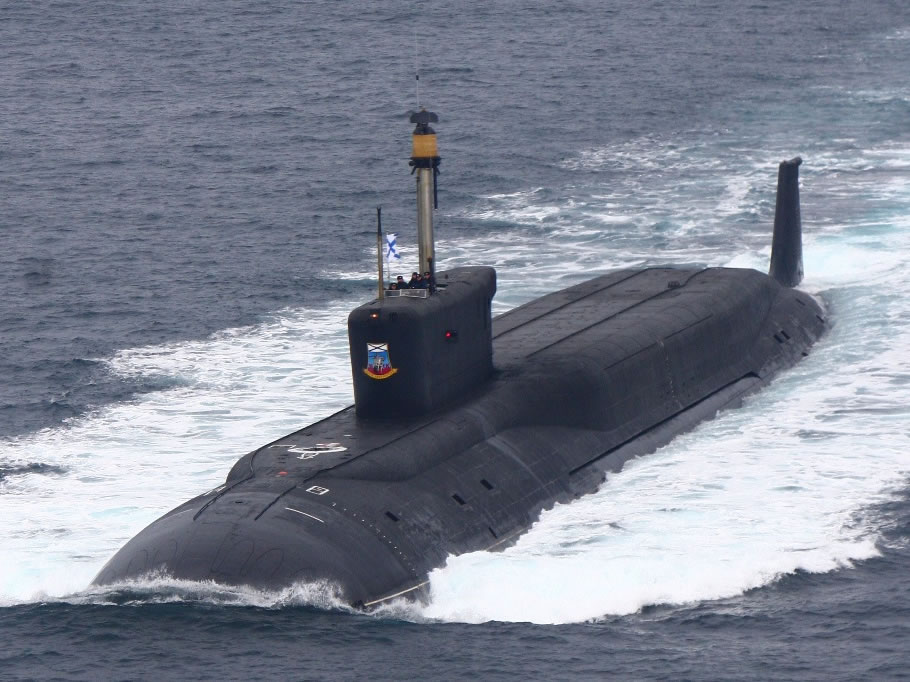
The Borei-class submarine, also known as Project 955, is a cornerstone of the Russian Navy’s strategic naval capabilities. Designed to enhance Russia's nuclear deterrent, the Borei-class represents a significant advancement in submarine technology and warfare tactics.

Formidable Armament

At the heart of the Borei-class submarine is its capacity to launch a formidable array of missiles. Armed with Bulava intercontinental ballistic missiles, the Borei-class can engage targets thousands of kilometers away, providing a strong second-strike capability. With multiple launch capabilities, it is designed to carry up to 16 missiles, ensuring flexibility and strength in potential engagements.

Advanced Stealth Features

Stealth is a defining characteristic of the Borei-class. With its advanced hull design and noise reduction technologies, the submarine minimizes its acoustic signature, making it challenging to detect by enemy sonar systems. This enhanced stealth capability is crucial for conducting clandestine operations and ensuring the effectiveness of its strategic deterrent role.

Enhanced Endurance and Operations

The Borei-class submarines are powered by a nuclear reactor that allows for extended underwater endurance, enabling them to operate for prolonged periods without the need for refueling. This capability provides unmatched strategic flexibility, allowing for extended patrols in key maritime regions.

Conclusion
In conclusion, the Borei-class submarine signifies a new era in Russian naval power. With its advanced weapon systems, superior stealth features, and exceptional endurance, the Borei-class enhances Russia's maritime security and deterrent capabilities. As geopolitical dynamics evolve, the Borei-class remains a critical asset for ensuring national defense and projecting military power on a global scale.

Borei-class Submarine

Kirov-class Cruiser

The Kirov-class Cruiser: A Titan of Naval Power

The Kirov-class Cruiser: A Titan of Naval Power

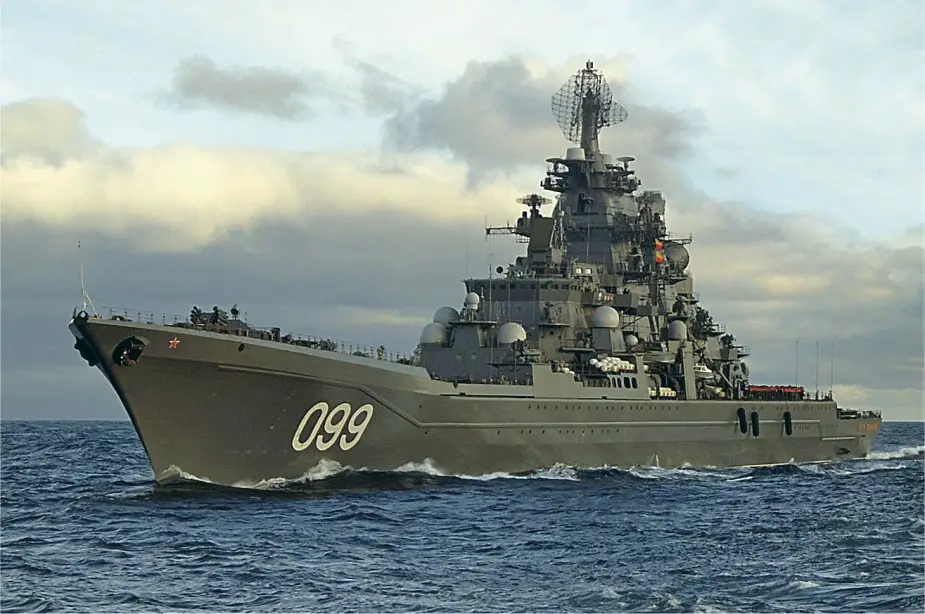
The Kirov-class cruiser, a formidable symbol of Soviet naval engineering, is one of the largest and most powerful surface combatants ever built. This class of nuclear-powered guided missile cruisers represents a significant leap in naval capabilities, combining advanced weaponry with a range of defensive and offensive systems.

Impressive Armament

Each Kirov-class cruiser is equipped with a formidable arsenal of missiles and guns. They feature P-500 Bazalt anti-ship missiles, capable of striking targets at considerable distances, along with an array of surface-to-air missiles to defend against aerial threats. Additionally, the cruisers are armed with powerful artillery, making them a versatile asset in naval engagements.

Advanced Sensors and Technology

The Kirov-class is enhanced by sophisticated radar and sensor systems that provide comprehensive situational awareness. Their advanced navigation and targeting systems allow for effective command and control, supporting both fleet operations and independent missions. This technological edge ensures that Kirov-class cruisers can operate effectively in contested environments.

Endurance and Stealth

Powered by nuclear reactors, the Kirov-class crusiers have virtually unlimited range and endurance, allowing them to stay at sea for extended durations without refueling. The design also incorporates features aimed at reducing radar signature and enhancing stealth capabilities, making them harder to detect.

Conclusion
In conclusion, the Kirov-class cruiser stands as a testament to Soviet maritime innovation. With its combination of unparalleled firepower, advanced technology, and enduring operational capabilities, the Kirov-class continues to be a significant presence in naval strategy and a symbol of power on the high seas.

Kirov-class Cruiser

Type 094 SSBN

The Type 094 SSBN: China's Advanced Strategic Deterrent

The Type 094 SSBN: China's Advanced Strategic Deterrent

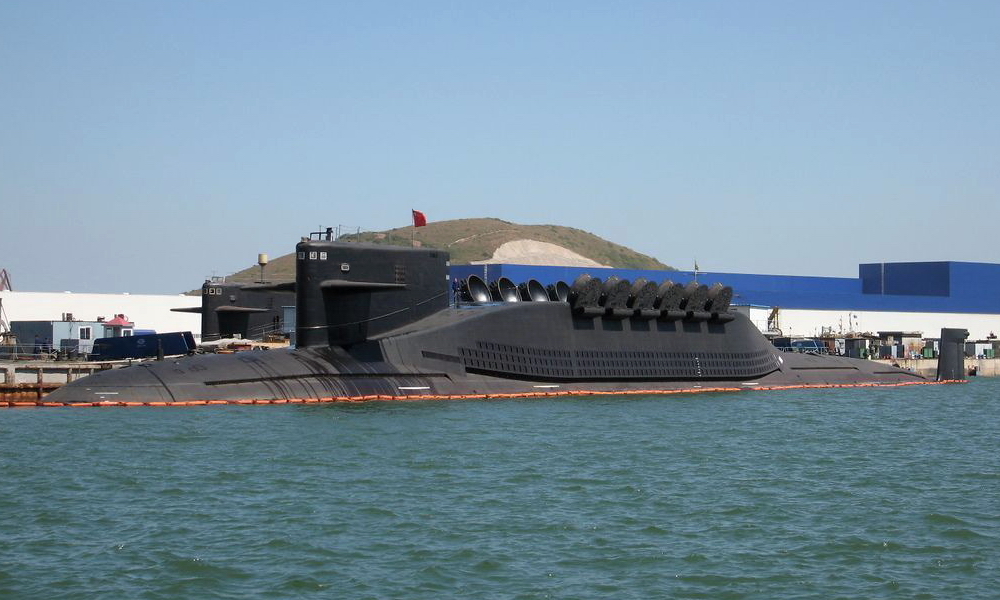
The Type 094, also known as the Jin-class, is a class of nuclear-powered ballistic missile submarines (SSBNs) developed by China. As a cornerstone of China’s maritime nuclear deterrent strategy, the Type 094 represents a significant advancement in the country's naval capabilities, specifically in the arena of undersea warfare.

Substantial Firepower

Equipped with up to 12 JL-2 submarine-launched ballistic missiles, the Type 094 can strike targets at considerable distances, providing a reliable second-strike capability. The JL-2 missiles have an estimated range of around 4,000 kilometers, allowing the submarine to engage targets deep inside enemy territory while remaining hidden beneath the waves.

Advanced Stealth and Design

The Type 094 is designed with stealth in mind, featuring an optimized hull shape to reduce noise and enhance underwater performance. The submarine incorporates advanced technologies for sound reduction, which allows it to operate discreetly in contested environments. This stealth capability is crucial for ensuring the survivability of the vessel and its strategic assets.

Maneuverability and Endurance

Powered by a nuclear reactor, the Type 094 can operate submerged for extended periods without the need for refueling, providing unparalleled endurance compared to conventional submarines. Its ability to travel vast distances while remaining submerged makes it difficult to track and target, enhancing its effectiveness as a deterrent force.

Conclusion
In conclusion, the Type 094 SSBN exemplifies China’s commitment to developing a credible nuclear deterrent and expanding its maritime capabilities. With its combination of significant firepower, advanced stealth features, and operational endurance, the Type 094 plays a pivotal role in ensuring China’s strategic security and projecting power in the region.

Type 094 SSBN

Sejong the Great-class Destroyer

The Sejong the Great-class Destroyer: South Korea's Naval Powerhouse

The Sejong the Great-class Destroyer: South Korea's Naval Powerhouse

The Sejong the Great-class destroyer, also known as the KDX-III, is a state-of-the-art naval vessel that epitomizes South Korea's commitment to strengthening its maritime defense capabilities. Named after one of Korea's most revered kings, this class of destroyers combines advanced technology with impressive firepower and versatility for modern naval warfare.

Cutting-Edge Armament

The Sejong the Great-class destroyer is equipped with an impressive array of weapons systems, including the Aegis Combat System, which enhances its ability to track and engage multiple aerial targets simultaneously. The primary armament comprises a 128mm main gun, along with vertical launching systems capable of firing surface-to-air missiles, anti-ship missiles, and Tomahawk cruise missiles, making it a formidable force in both offensive and defensive operations.

Advanced Sensor Suite

One of the defining features of the Sejong the Great-class is its sophisticated sensor suite. The Aegis system incorporates radar, sonar, and various tracking systems that provide real-time situational awareness, allowing the vessel to respond effectively to threats. This advanced technology positions it as a critical component of South Korea's naval strategy in the increasingly complex security environment of Northeast Asia.

Enhanced Mobility and Durability

Designed for versatility, the Sejong the Great-class destroyer features a powerful propulsion system that allows for high speeds and greater maneuverability. Its hull design is optimized for both sea endurance and operational efficiency, ensuring it can operate effectively across various maritime landscapes.

Conclusion
In conclusion, the Sejong the Great-class destroyer symbolizes South Korea's advancements in naval engineering and strategic defense. With its powerful armament, cutting-edge technologies, and enhanced mobility, this class of destroyers plays a pivotal role in reinforcing South Korea’s maritime security and asserting its presence in regional waters.

Sejong the Great-class Destroyer

M60A3 TTS

The M60A3 TTS: A Classic Main Battle Tank

The M60A3 TTS: A Classic Main Battle Tank

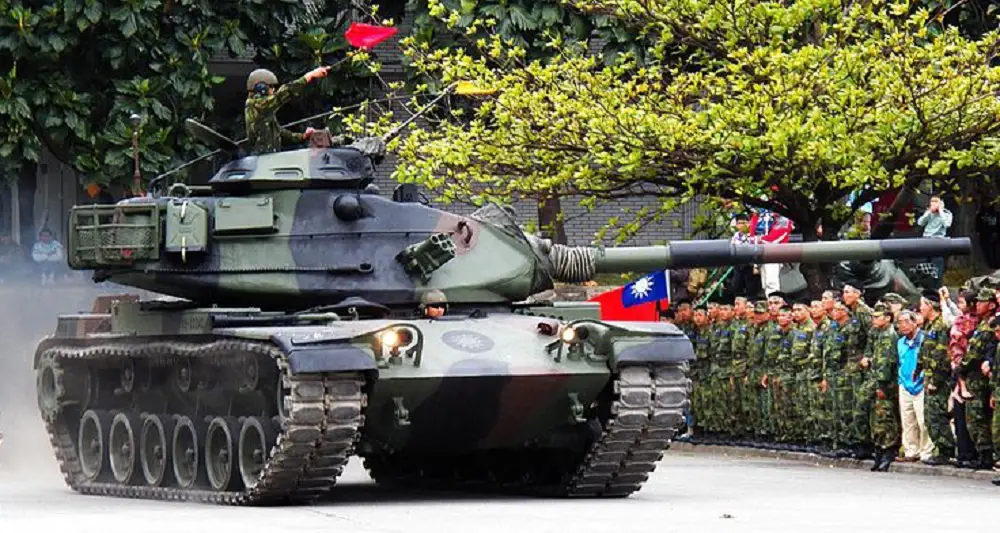
The M60A3 TTS is an advanced variant of the M60 Patton series, representing a significant evolution in the capabilities of American armored forces during the Cold War. Known for its robust design and versatility, the M60A3 TTS stands as a testament to nearly three decades of engineering innovation in tank warfare.

Firepower

At the heart of the M60A3 TTS is its powerful 105mm rifled gun, capable of firing a wide range of munitions, including armor-piercing and high-explosive rounds. This firepower enables the tank to effectively engage enemy armor and fortifications. The upgraded fire control system improves accuracy and efficiency, allowing for effective engagements even in adverse combat conditions.

Enhanced Protection

The M60A3 TTS features improved armor protection compared to its predecessors. Its design incorporates composite materials, along with additional armor plating, providing substantial defense against contemporary threats. The addition of an active protection system can also enhance crew safety against modern anti-tank weapons.

Mobility and Maneuverability

Mobility is key for the M60A3 TTS, which is powered by a reliable diesel engine. This powerhouse allows the tank to traverse various terrains effectively and maintain a swift pace in combat situations. Its robust suspension system ensures stability and control, even during rapid maneuvers.

Conclusion
In conclusion, the M60A3 TTS remains a respected fixture in the lineage of main battle tanks. With its impressive firepower, enhanced protection, and superior mobility, it continues to serve a crucial role in various military operations, showcasing the enduring legacy of the M60 series in armored warfare history.

M60A3 TTS

M-84

The M-84: A Robust Challenger in Modern Armored Warfare

The M-84: A Robust Challenger in Modern Armored Warfare

The M-84 is a main battle tank developed in Yugoslavia based on the Soviet T-72 design. Since its introduction in the 1980s, the M-84 has established itself as a significant component of armored forces in several countries, particularly in the Balkans and Eastern Europe, thanks to its potent firepower and reliable performance.

Superior Firepower

The M-84 is equipped with a powerful 125mm smoothbore cannon capable of firing a variety of munitions, including armor-piercing rounds and guided missiles. This formidable armament allows the tank to engage enemy armor effectively, ensuring its relevancy in modern combat scenarios. The advanced fire control system further enhances its targeting accuracy, making it a reliable asset on the battlefield.

Robust Protection Features

Protection is a vital aspect of the M-84’s design. It features composite armor and explosive reactive armor, providing substantial defense against contemporary anti-tank weapons. This multi-layered protective strategy is crucial for crew safety, particularly in high-intensity conflict situations.

Mobility and Maneuverability

The M-84 is designed for agility on the battlefield. Its powerful diesel engine allows it to achieve rapid speeds, facilitating effective maneuvers across various terrains. This mobility, combined with a sophisticated suspension system, ensures the tank maintains stability and control even in challenging environments.

Conclusion
In conclusion, the M-84 remains a testament to Yugoslavian armored engineering. With its impressive firepower, advanced protection systems, and exceptional mobility, the M-84 serves as a key player in the armored forces of nations that operate it, ensuring operational readiness in an ever-evolving landscape of modern warfare.

M-84

PT-91 Twardy

The PT-91 Twardy: Poland's Advanced Main Battle Tank

The PT-91 Twardy: Poland's Advanced Main Battle Tank

The PT-91 Twardy is an advanced main battle tank developed in Poland, recognized for its robust design and exceptional combat capabilities. Based on the Soviet T-72 platform, the Twardy has undergone extensive modernization to enhance its effectiveness on the battlefield.

Firepower at Its Core

The PT-91 Twardy is equipped with a 125mm smoothbore cannon, capable of firing a range of munitions including armor-piercing rounds and guided missiles. This firepower ensures the Twardy can effectively engage both enemy armor and other ground targets. The tank’s advanced fire control system enhances accuracy, providing superior engagement capabilities during operations.

Enhanced Protection Systems

Protection is a key feature of the PT-91 Twardy. It boasts upgraded composite armor combined with explosive reactive armor, providing excellent defense against modern anti-tank weapons. Its design includes enhancements that mitigate damage from incoming projectiles while ensuring the safety of the crew in combat situations.

Mobility and Maneuverability

Mobility is a vital attribute of the PT-91, powered by a robust diesel engine that allows for impressive acceleration and speed. Its advanced suspension system ensures stability and agility across a variety of terrains, enabling effective maneuvers and quick repositioning during engagements.

Conclusion
In conclusion, the PT-91 Twardy stands as a testament to Poland’s commitment to modernizing its military forces. With its formidable armament, advanced protection features, and exceptional mobility, the Twardy remains a key asset for the Polish Army, ensuring operational effectiveness in a complex and evolving battlefield landscape.

PT-91 Twardy

TR-85M1

The TR-85M1: Romania's Advanced Main Battle Tank

The TR-85M1: Romania's Advanced Main Battle Tank

The TR-85M1 is a modernized version of Romania's indigenous main battle tank, the TR-85, and represents significant advancements in the country’s armored warfare capabilities. Developed in the late 1990s, the TR-85M1 incorporates various upgrades that enhance its battlefield effectiveness and operational readiness.

Robust Firepower

At the core of the TR-85M1 is its powerful 105mm rifled cannon, specifically designed for high-velocity rounds and explosive projectiles. This armament allows the tank to effectively engage a variety of targets, ensuring effectiveness against both armored vehicles and fortified positions. The advanced fire control system enhances targeting precision, making it a formidable presence on the battlefield.

Enhanced Protection

The TR-85M1 is equipped with composite armor featuring additional layers of steel and other materials to provide protection against modern anti-tank weapons. These enhancements significantly improve the tank's survivability in combat. Furthermore, the TR-85M1 may integrate explosive reactive armor to offer even greater defense against kinetic energy projectiles.

Agility and Mobility

Mobility is a noteworthy attribute of the TR-85M1. With a robust engine and advanced suspension system, this tank offers impressive maneuverability across various terrains. This adaptability makes it suitable for both open-field operations and urban combat settings, allowing for tactical flexibility.

Conclusion
In conclusion, the TR-85M1 stands as a symbol of Romania’s commitment to enhancing its military capabilities. With its combination of powerful firepower, advanced protection systems, and exceptional mobility, the TR-85M1 is positioned as a key asset in Romania’s defense strategy, contributing effectively to regional security and stability.

TR-85M1

Strv 122

The Strv 122: Sweden's Advanced Main Battle Tank

The Strv 122: Sweden's Advanced Main Battle Tank

The Strv 122, Sweden's modified version of the Leopard 2, represents the culmination of advanced Swedish engineering and military innovation. As a critical component of the Swedish Armed Forces, the Strv 122 embodies a blend of firepower, protection, and mobility tailored for the challenges of modern warfare.

Powerful Armament

At the core of the Strv 122 is its formidable 120mm smoothbore cannon, which provides exceptional firepower against a variety of armored threats. This gun, capable of firing advanced munitions including armor-piercing and high-explosive rounds, is complemented by a sophisticated fire control system that ensures precise targeting and rapid engagement in dynamic combat scenarios.

Advanced Protection Systems

The Strv 122 features cutting-edge armor technology, including composite armor layered with explosive reactive elements. This multi-faceted approach to protection enhances the tank's resilience against modern anti-tank weapons. Additionally, the tank is equipped with an active protection system that can intercept incoming projectiles, providing an added layer of defense for the crew.

Exceptional Mobility

Mobility is another key advantage of the Strv 122. With a powerful engine and advanced suspension system, the tank can navigate a variety of terrains with ease. This agility allows for effective maneuvers in both open-field and urban combat situations, ensuring tactical flexibility on the battlefield.

Conclusion
In conclusion, the Strv 122 stands as a testament to Sweden's commitment to modernizing its armored forces. With its combination of advanced armament, superb protection, and excellent mobility, the Strv 122 remains a formidable player in the landscape of modern armored warfare, enhancing Sweden’s defense capabilities on the global stage.

Strv 122

M1A1 AIM

The M1A1 AIM: Advancements in American Armor

The M1A1 AIM: Advancements in American Armor

The M1A1 AIM (Abrams Integrated Management) is a crucial variant of the iconic M1 Abrams main battle tank, representing the evolution of American armored warfare technology. Designed for adaptability and enhanced combat effectiveness, the M1A1 AIM showcases significant advancements that bolster its operational capabilities.

Enhanced Firepower

At the core of the M1A1 AIM lies its formidable 120mm smoothbore cannon, capable of firing a variety of munitions, including advanced armor-piercing rounds and guided projectiles. This versatility allows the tank to effectively engage enemy armor and fortifications while providing outstanding support in diverse combat situations. The upgraded fire control system ensures superior accuracy and target acquisition, essential for modern battlefield dynamics.

Improved Protection Systems

The M1A1 AIM incorporates the latest advancements in armor technology, featuring enhanced composite armor and reactive armor capabilities. These systems offer substantial protection against contemporary anti-tank threats, safeguarding the crew and increasing the tank's survivability on the battlefield.

Operational Mobility

Mobility is a vital attribute of the M1A1 AIM, powered by a robust turbine engine that enables high-speed performance across various terrains. Its advanced suspension system enhances maneuverability, ensuring it can operate effectively in both open and urban environments, making it a versatile asset for the U.S. Army.

Conclusion
In summary, the M1A1 AIM stands as a testament to continuous improvement in military technology. Its combination of lethal firepower, superior protection, and exceptional mobility solidifies the M1A1 AIM as a cornerstone of U.S. armored forces, ensuring readiness for the challenges of modern warfare.

M1A1 AIM

T-72B3

The T-72B3: A Modernized Classic in Armored Warfare

The T-72B3: A Modernized Classic in Armored Warfare

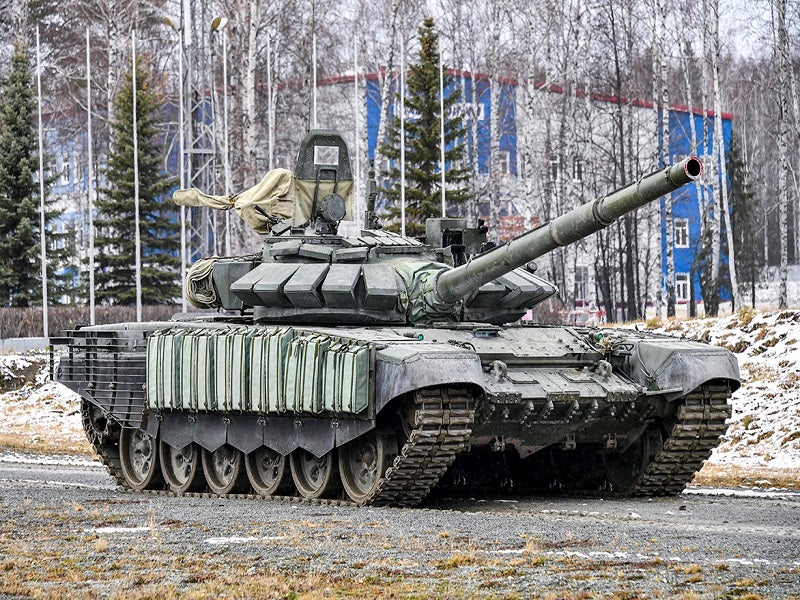
The T-72B3 is a noteworthy modernization of the classic T-72 tank, reflecting advancements in military technology while maintaining the original's robust framework. This Russian main battle tank has evolved to meet contemporary combat challenges, becoming a vital component of the Russian Armed Forces.

Upgraded Armament

At the heart of the T-72B3 lies its powerful 125mm smoothbore gun, capable of firing a range of munitions, including armor-piercing and high-explosive projectiles. This flexibility ensures effective engagement of a variety of targets, from enemy armor to fortified installations. The upgraded fire control system significantly enhances targeting accuracy, allowing the T-72B3 to perform reliably in dynamic combat scenarios.

Enhanced Protection Features

The T-72B3 boasts improved armor protection compared to its predecessors, thanks to the addition of explosive reactive armor (ERA) and modern composite armor materials. These advancements provide greater resilience against contemporary anti-tank missiles and projectiles, thereby increasing crew safety and combat efficacy.

Mobility and Maneuverability

Despite its heavy armor, the T-72B3 maintains impressive mobility. Powered by a powerful diesel engine, the tank can traverse various terrains with ease, ensuring it performs effectively in both urban and rural settings. The design emphasizes a balance between firepower and speed, allowing for rapid tactical maneuvers on the battlefield.

Conclusion
In conclusion, the T-72B3 exemplifies the successful integration of modern technologies into a classic armored vehicle. With its formidable firepower, enhanced protection systems, and excellent mobility, the T-72B3 remains a key asset for the Russian military, ensuring operational readiness in an evolving global defense landscape.

T-72B3